1. Start from the job, not the price
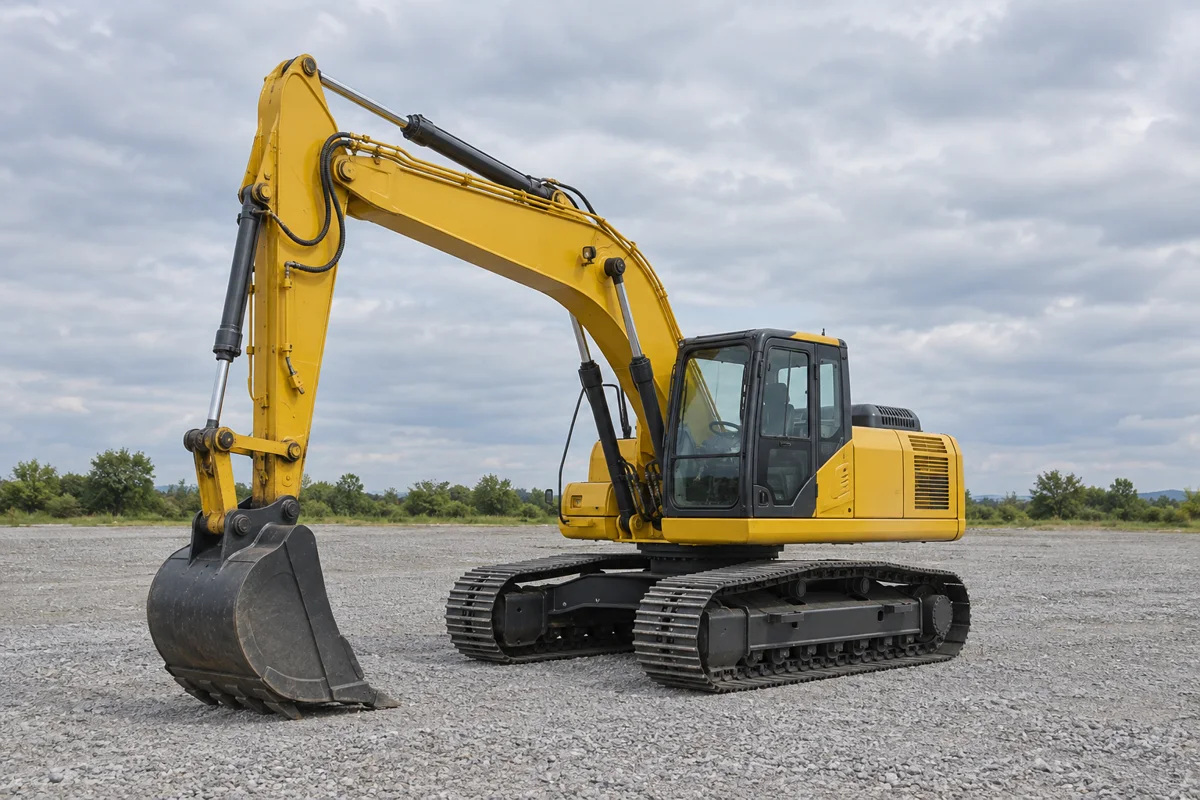
Choose the operating weight for the work first. Mini excavators of 1–6 tonnes suit landscaping, utilities and tight sites; 7–15 tonnes suit small construction and farm work; the 20–25 tonne class — CAT 320, Komatsu PC200, SANY SY215 — is the most common all-rounder for earthmoving and road work; 30 tonnes and above suit quarries and heavy excavation. Also consider road transport limits at home and whether you need auxiliary hydraulic lines for a hammer or other attachments.
2. Pick a brand you can service at home
A cheap machine becomes expensive if nobody in your country can repair it. Before choosing a brand, check which dealers, workshops and parts suppliers operate near your site. Japanese and American brands such as CAT, Komatsu, Hitachi and Kobelco have wide parts availability worldwide. Chinese brands such as SANY, XCMG, LiuGong and Sunward often offer younger machines for the same budget, and their service networks in Africa and the Middle East are growing — confirm coverage in your own country.
3. Read year and hours together
Year and hour-meter reading only mean something together. A machine with very few hours for its age deserves questions, because hour meters can be replaced or reset. Ask for service records and compare the reading with visible wear on pedals, seat, bucket pins and undercarriage. Before settling on a year, check your country’s import rules: some destinations limit the age of used machinery or require specific emission standards.
4. Look under the fresh paint
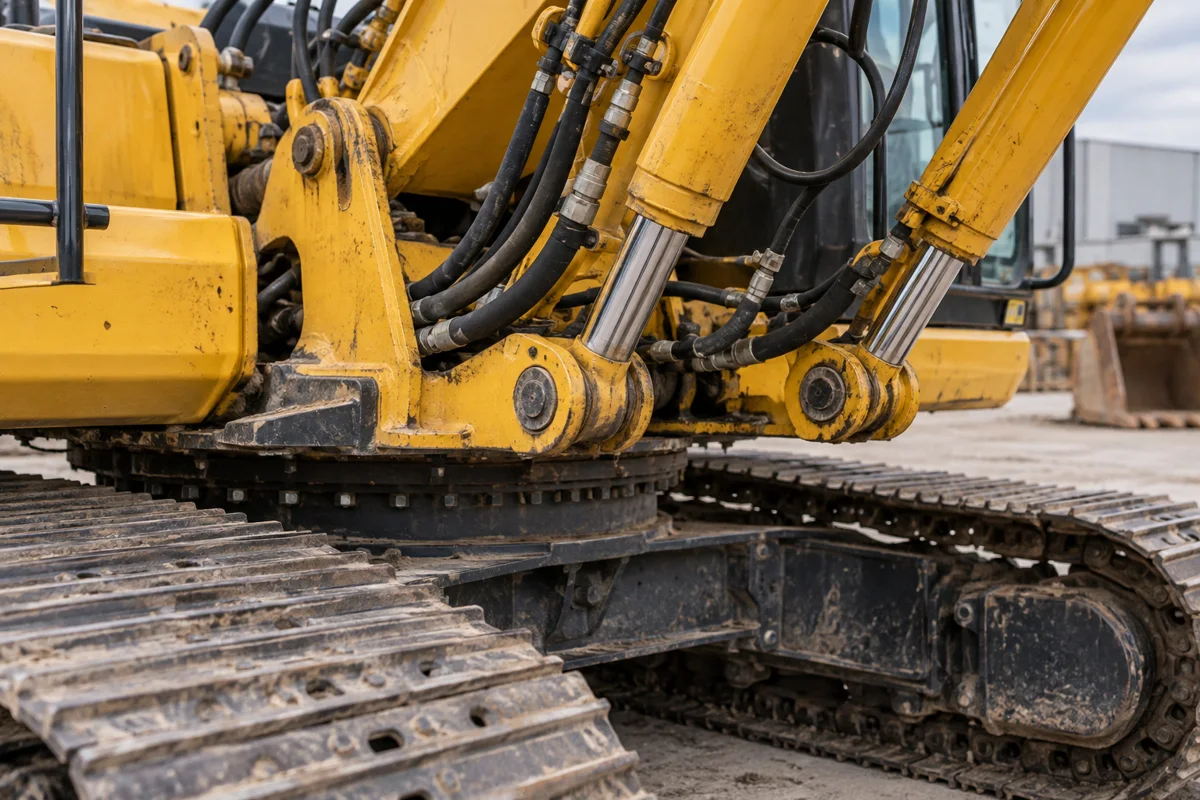
Many used excavators in China are cleaned and repainted before sale. Fresh paint is not a fault, but it can hide welds, cracks and leaks. Ask for close-ups of the boom and stick — especially around the foot pins and welded joints — and of the serial plate. Make sure the serial plate, engine number and sales documents all refer to the same machine.
5. Check the actual machine, not the listing
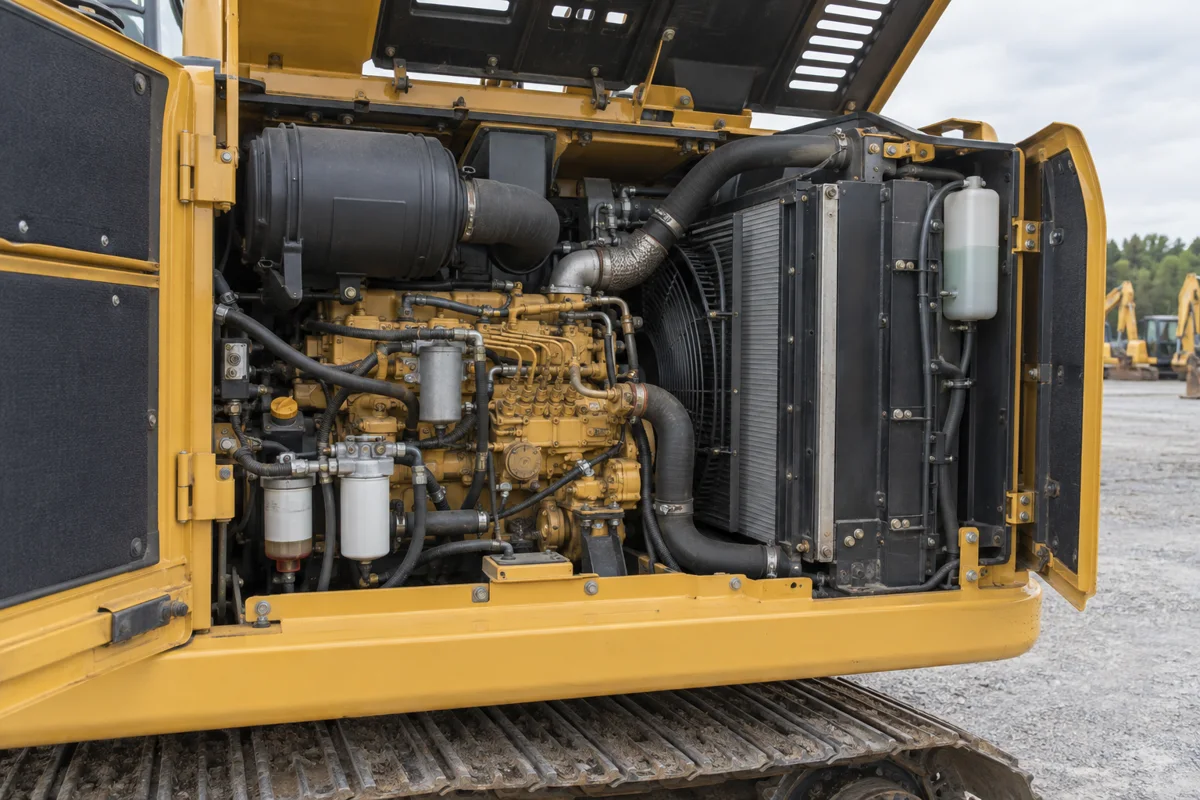
Ask for a cold-start video, then all functions under load, travel in both directions and a full swing. Photos from a listing may show a similar machine rather than the one you will receive. Where possible, arrange an independent inspection before payment and agree in advance what the inspector will test and report.
6. Compare prices on the same delivery terms
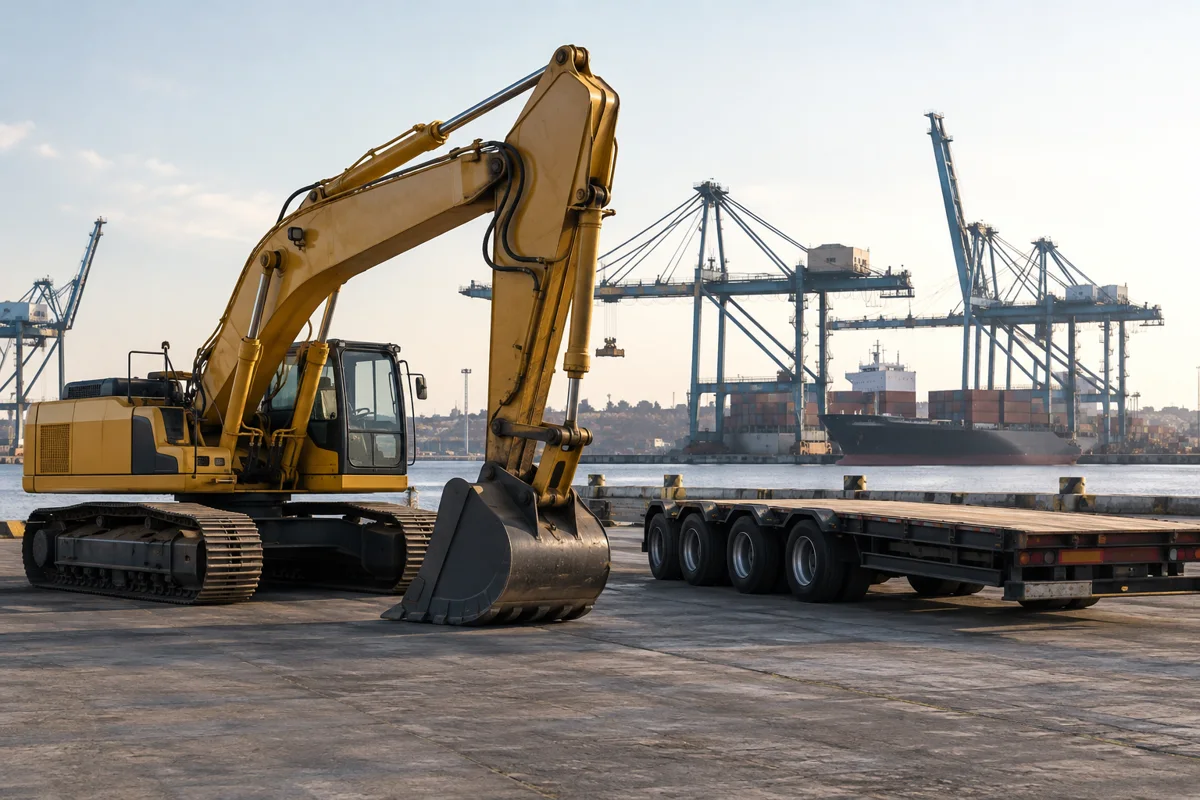
A price at the yard (EXW), a price at a Chinese port such as Tianjin, Shanghai or Qingdao (FOB) and a price delivered to your port (CFR or CIF) are not comparable until you add the missing costs. Ask how the machine will ship — in a container, on a flat rack or as RoRo or break-bulk cargo — and whether any parts must be removed. Confirm which export documents you will receive: usually a sales contract, commercial invoice, packing list and bill of lading, plus any certificate of origin or pre-shipment inspection your country requires.
7. Pay safely
Put the exact machine, serial number, delivery terms and inspection result into a written contract. Use a traceable payment channel and link payments to clear steps such as inspection and loading. Be careful with prices far below the market, sellers who refuse a live video call, and requests to pay to a personal account.
General purchasing guidance. This article is not a machine inspection report or a destination-specific customs determination.
Get a quote